

Colour is central to the GMT-Master II identity. This guide explains the best-known modern bezel combinations and the collector nicknames attached to them.
Why two colours work on a GMT bezel
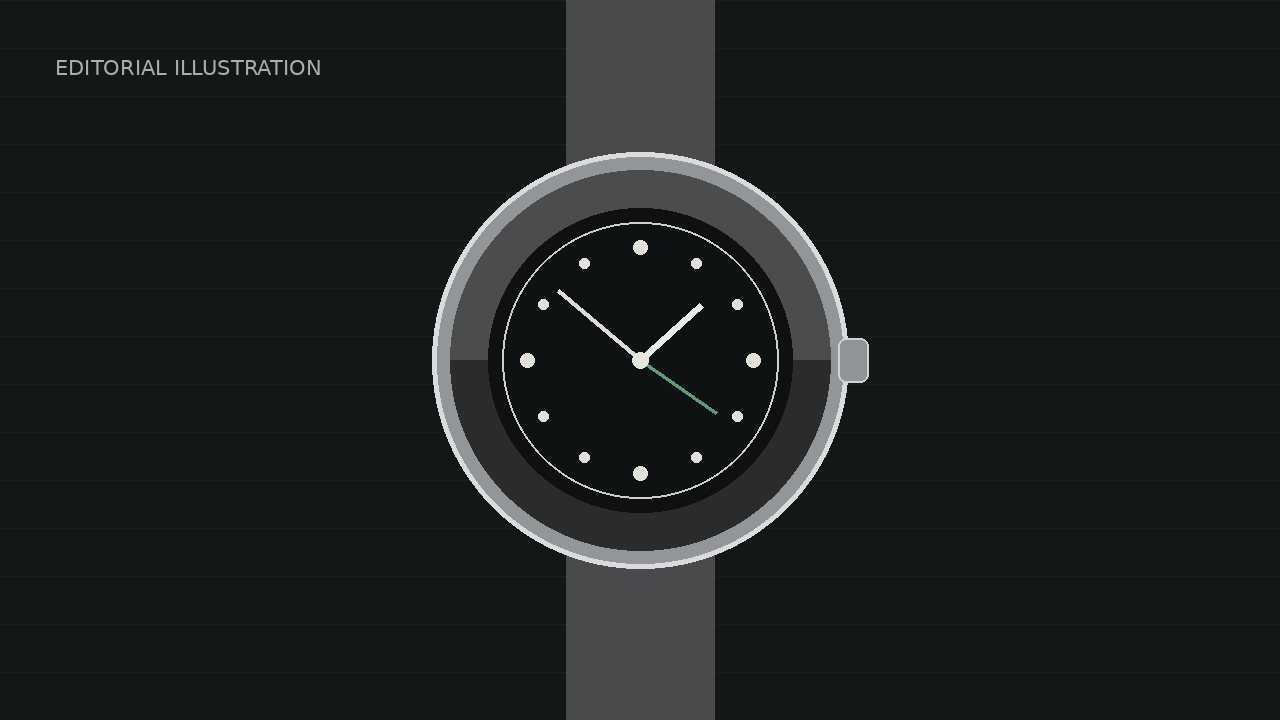
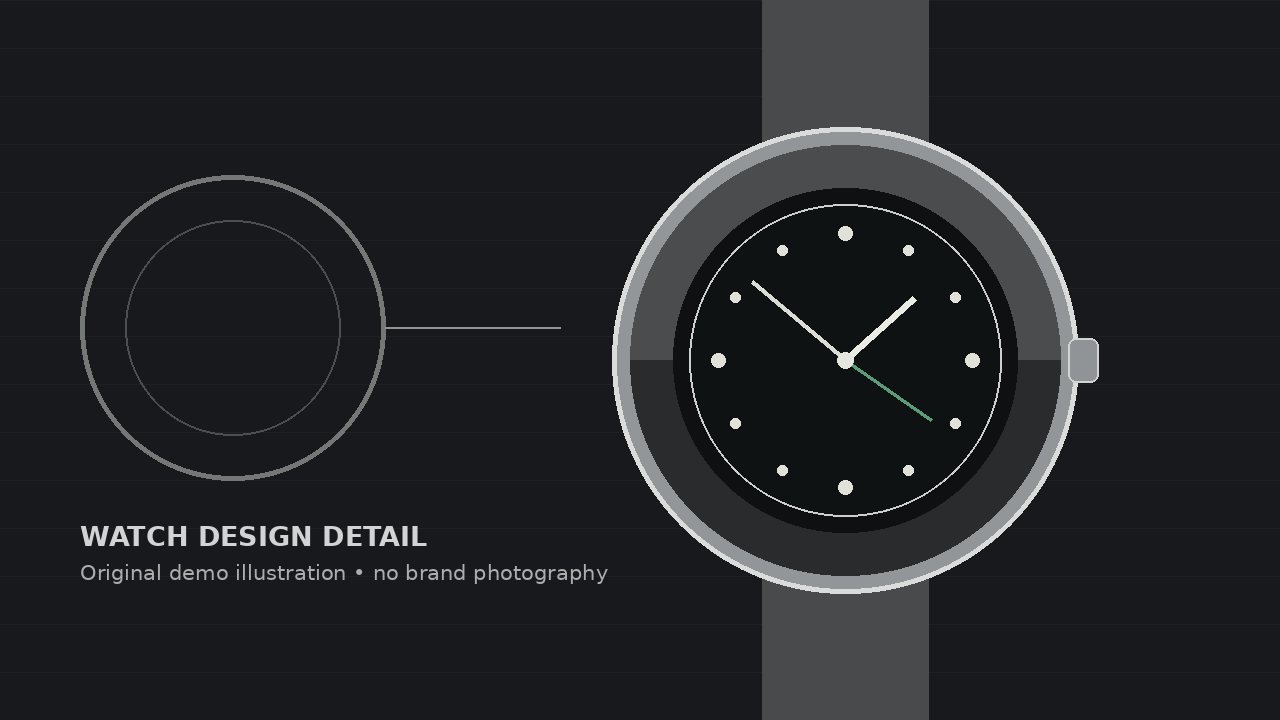
A GMT watch uses a 24-hour scale, and dividing the bezel into two colours creates an immediate visual distinction between halves of the day. Over time, those practical colour blocks also became powerful design signatures.
Rolex’s modern Cerachrom inserts use ceramic and are produced in several colour combinations, turning the bezel into one of the main ways collectors distinguish references.
Pepsi: red and blue
Red-and-blue is the historically famous GMT colour scheme and is usually called “Pepsi.” The nickname comes from the resemblance to the soft-drink company’s colours, but within watch culture it has become shorthand for an entire branch of GMT-Master history.
Modern ceramic versions preserve the recognizability of the combination while looking sharper and more reflective than older aluminium inserts.
Batman: blue and black
The blue-and-black Cerachrom GMT-Master II became known as “Batman.” The combination feels more subdued than Pepsi but still provides a strong colour break. On Oyster bracelet the nickname Batman is especially common; Jubilee-bracelet versions are sometimes called “Batgirl” by enthusiasts.
Those terms are unofficial, so reference numbers remain the reliable way to identify a specific configuration.
Bruce Wayne: grey and black
The grey-and-black 126710GRNR offers the most restrained steel GMT colour scheme. Because it belongs to the same superhero nickname universe as Batman, enthusiasts adopted “Bruce Wayne” for the quieter combination.
The green 24-hour hand and green GMT-Master II dial text provide the main colour accents against the black dial.
Sprite and Root Beer
Green-and-black modern GMT-Master II references are commonly called “Sprite.” They are also visually distinctive because certain configurations place the winding crown and date on the left side of the case. “Root Beer” is used for brown-and-gold GMT combinations and has roots in older generations.
The names can cover more than one reference, which is why buyers should confirm exact metal, bracelet and generation.
Colour can matter as much as complication
Mechanically, many modern GMT-Master II references share the same basic travel functionality. Bezel colour, bracelet and metal therefore account for much of the emotional difference between them.
For collectors, that is part of the fun: one movement architecture can support very different personalities. For buyers, it is also a reminder not to let nickname popularity substitute for trying the watch and deciding which colour actually fits their wardrobe.
Use colour to narrow the GMT shortlist
A practical way to choose is to ignore nickname popularity and place photographs of the references beside the clothes you wear most. Pepsi adds obvious colour, Batman introduces a cooler blue accent, Bruce Wayne is nearly monochrome, Sprite is immediately distinctive, and Root Beer works especially well with warmer tones and precious-metal details.
Then decide whether Oyster or Jubilee better fits the same wardrobe. This two-step approach—bezel first, bracelet second—turns a confusing set of nicknames into a straightforward design decision. The movement and basic travel function can remain familiar while the exterior becomes personal.
Editorial note: This demo article is independently written for website-development and layout testing. Product specifications, availability and market information can change; verify current details with official Rolex documentation before final publication or purchase.