
The Cosmograph Daytona evolved from manual-wind racing chronographs to Zenith-based automatic models and then Rolex’s in-house calibre era. Here is the broad story.
The racing chronograph foundation
Rolex introduced the Cosmograph in the early 1960s and soon connected the model closely with Daytona and motorsport. Early watches used manual-winding chronograph movements, contrasting subdials and tachymetric scales designed to calculate average speed.
At the time, these watches did not enjoy anything close to the cultural status that modern Daytona references command. That gap between original reception and later collector demand is one reason vintage Daytonas are so fascinating.
The Paul Newman phenomenon
Certain vintage Daytonas fitted with so-called exotic dials became strongly associated with actor and racing enthusiast Paul Newman. The nickname eventually transformed a once-unusual dial variant into one of the most famous categories in vintage watch collecting.
The story demonstrates how provenance, celebrity association and design rarity can combine over decades to reshape a model’s reputation.
1988 and the automatic era
A major change arrived when Rolex moved the Daytona to automatic winding using a heavily modified movement based on the Zenith El Primero architecture. The new generation also adopted a larger, more contemporary case style and became far more commercially successful.
Collectors often refer to this period as the “Zenith Daytona” era, even though Rolex extensively modified the base movement for its own requirements.
Rolex moves fully in-house
In 2000, Rolex introduced calibre 4130, bringing the Daytona chronograph movement fully in-house. The movement consolidated the modern automatic identity of the model and remained in service for more than two decades.
Later references added Cerachrom ceramic bezels to selected versions, creating the black-bezel look now strongly associated with current steel Daytonas.
The current generation
The newest Daytona generation uses calibre 4131 and includes refinements to case proportions, finishing and movement architecture. Certain precious-metal versions also use transparent case backs, something historically unusual for Rolex professional watches.
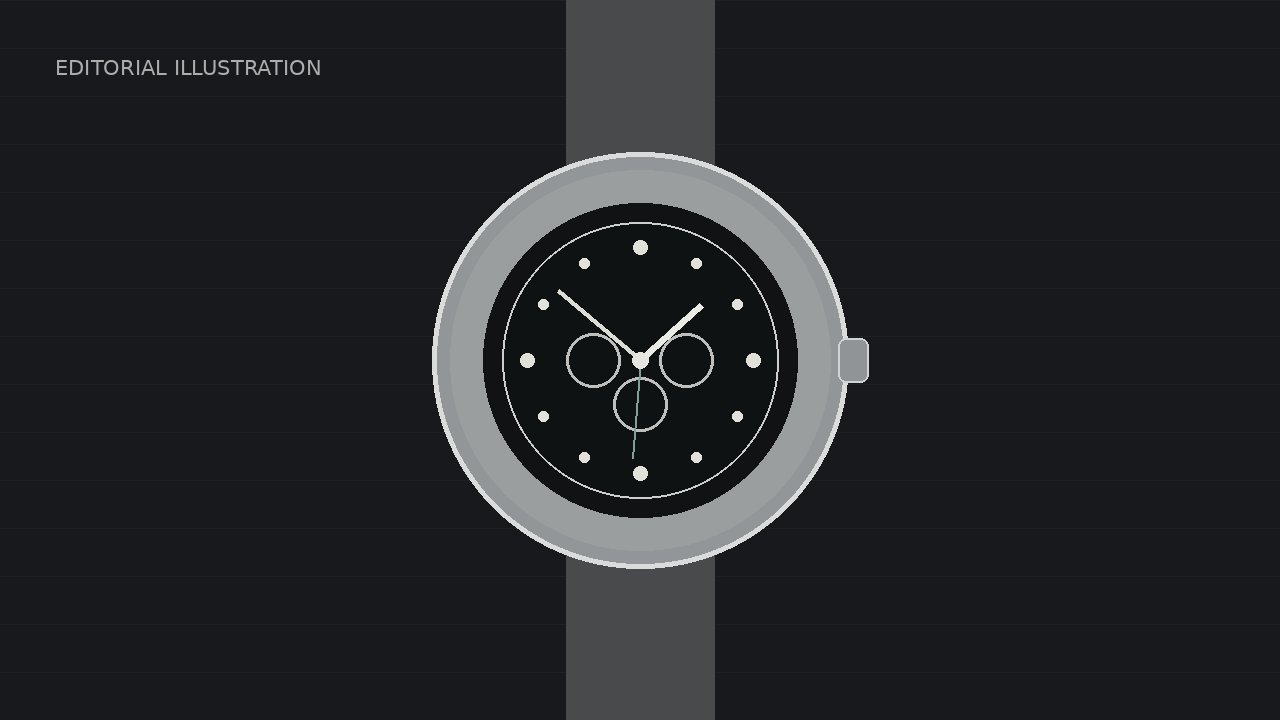
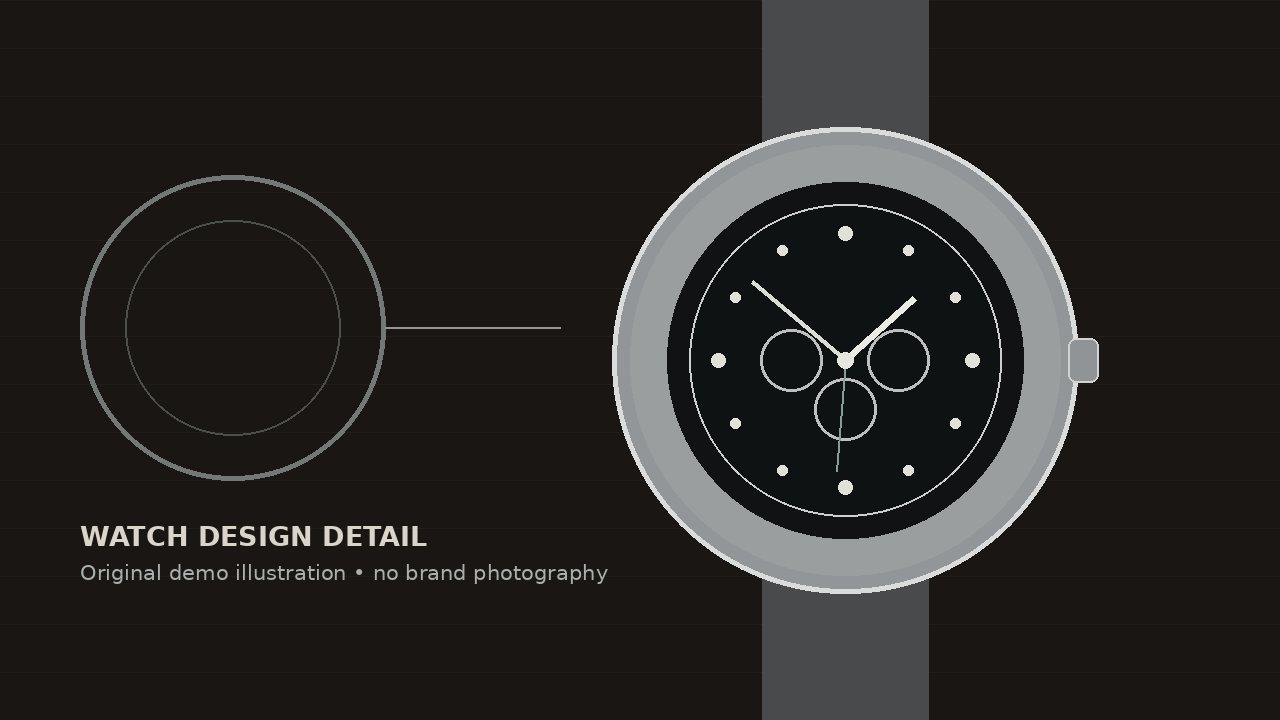
Despite these changes, the design remains immediately identifiable through its three-register dial, screw-down pushers and tachymetric bezel.
Why Daytona history matters
The Daytona is a useful reminder that collector importance is not fixed at launch. Models can move from slow sellers to icons, and small dial differences can become historically significant long after production ends.
For a buyer, that history is interesting context but should not become a reason to chase every reference as a future collectible. The enduring appeal of the Daytona comes first from a coherent chronograph design that has evolved without losing its basic identity.
The Daytona’s biggest lesson for collectors
Today it is easy to look backward and assume the important vintage references were always recognized as important. Daytona history shows otherwise. Taste changes, cultural associations accumulate and once-unfashionable details can become the features collectors value most.
That does not mean every current unpopular watch will become valuable. It means collectors should be cautious about treating present demand as permanent truth. The most interesting collections often contain watches chosen for design or historical interest before the market decided they were obvious trophies.
Editorial note: This demo article is independently written for website-development and layout testing. Product specifications, availability and market information can change; verify current details with official Rolex documentation before final publication or purchase.